Siberia
All My Puny SorrowsSiberia is presented as the ancestral homeland of the Von Riesen family’s Mennonite grandparents and as the source of a history of violence whose effects outlasted migration. The family’s memories of the region connect personal origins to intergenerational trauma and to a learned reluctance to speak about the past.
Mennonite Origins and Forced Migration
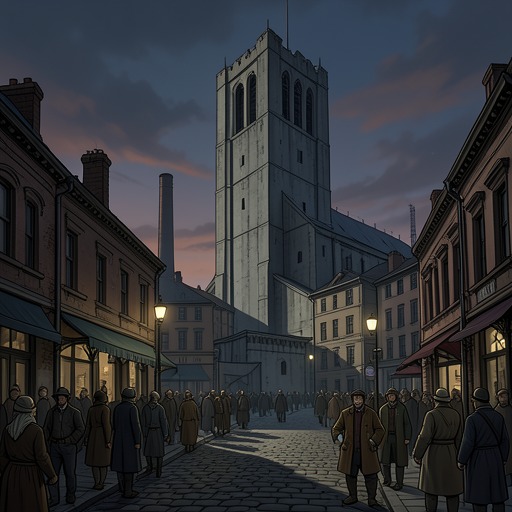
The grandparents came from a small Mennonite village in Siberia in 1917, the year of the Bolshevik Revolution. Violence there marked the family’s history: the narrator’s grandfather survived after hiding, while his parents were murdered. A few days later, he was transported with thousands of other Mennonites to Moscow and then sent to Canada. Siberia is thus not merely a point of origin; it is the beginning of a forced displacement that carried the family away from its home.
Silence and Inherited Memory
The family’s account of Siberia is bound to silence. Plautdietsch, the language associated with the family’s Mennonite past, is described as a language of shame, and the grandfather warned the narrator’s parents not to teach it to their children if they wanted them to survive. Mentions of Russia could provoke a strong response from the parents, showing how the earlier violence continued to shape family life long after migration. The narrator’s mother later understood suffering as something passed from one generation to the next, making Siberia a remembered source of both family origins and inherited pain.